Qi gong means life energy cultivation. Qi gong is often categorized as meditative, health/medical, and internal martial arts. In China and other East Asian countries, the use of qi gong for medical applications (similar to how acupuncture is used) is widespread and normalized. In the Chinese context, there is a tendency to qualify various styles or emphases of qi gong practice according to the 3 traditional schools of philosophy and spirituality in China: Buddhism, Daoism and Confucianism, as well as Modern or Scientific forms.
Buddhist qi gong
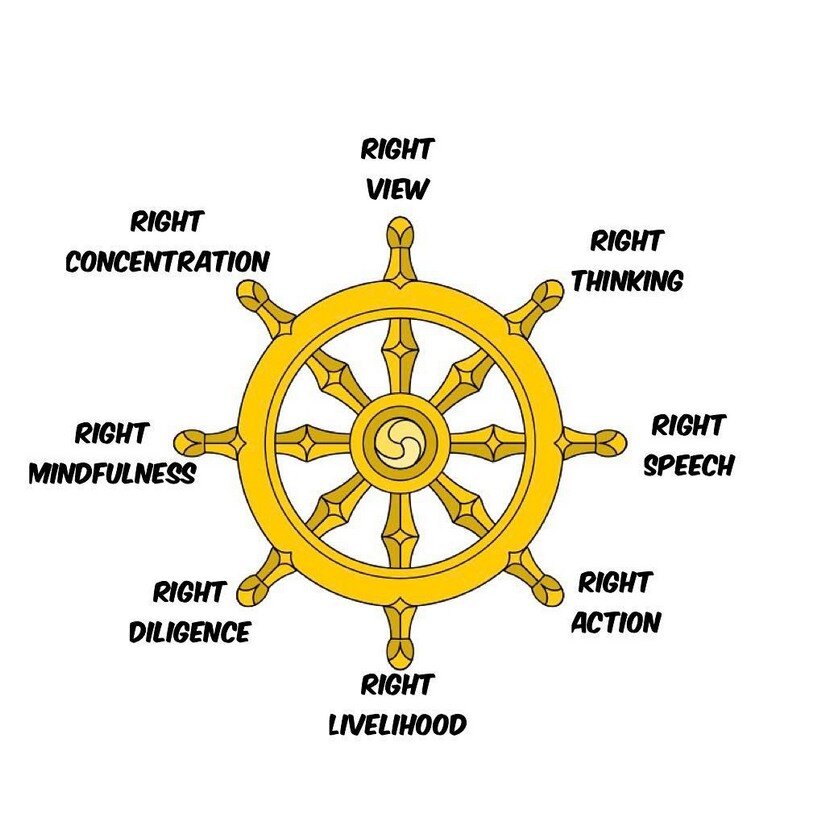
- Preserve and nurture original ("post-birth") qi.
- Care for energy flow around internal organs, associated with emotions.
- Gather, preserve qi in the lower elixir field.
- Balance the flow of "fire" (yang) and "water" (yin) to steady emotions: calm mind; open heart; warm belly.
- In meditative qi gong, focus on concentration and compassion; "open the heart chakra".
- In medical qi gong: focus on unblocking imbalances in unconscious/autonomic energy flows.
Daoist qi gong
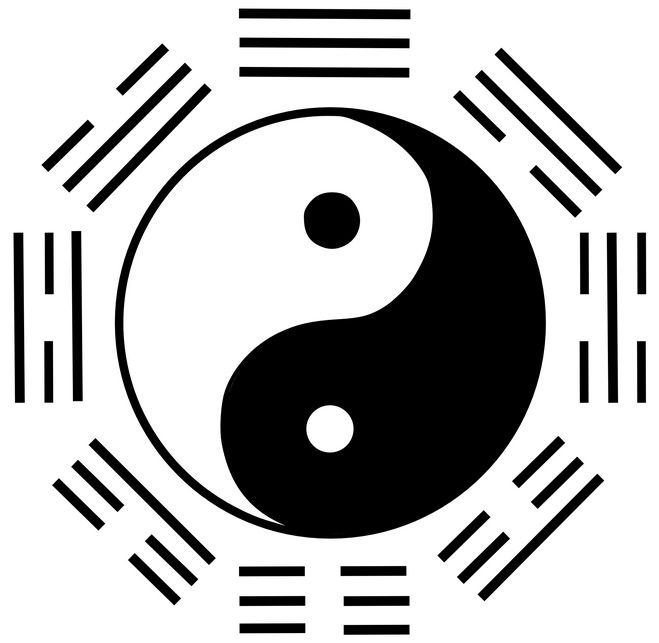
- Augment universal ("pre-birth") qi.
- Work flows of energy which are consciously managed.
- Raise qi up to the middle and upper elixir fields.
- In meditative qi gong: focus on raising qi to the mind and beyond; let "spirit qi" emerge.
- In medical and martial arts qi gong: focus on strengthening energy reserves; move qi through muscles and bones with mind-intention; create "guardian qi".
Other forms
"Confucian", "Scholar" or "Academic" qi gong refers to using qi gong exercises mainly as useful, pragmatic self-help health aids, with less attention to spiritual or "power" (internal martial arts) applications.
"Modern" or "Scientific" qi gong, similar to "Academic", refers mainly to forms developed starting in the 1960s that tend to be tied to specific curative or exercise goals, such as specific muscle groups.
"Spontaneous": self-directed movements that enhance the flow of vital energy through the body and lift the spirits.